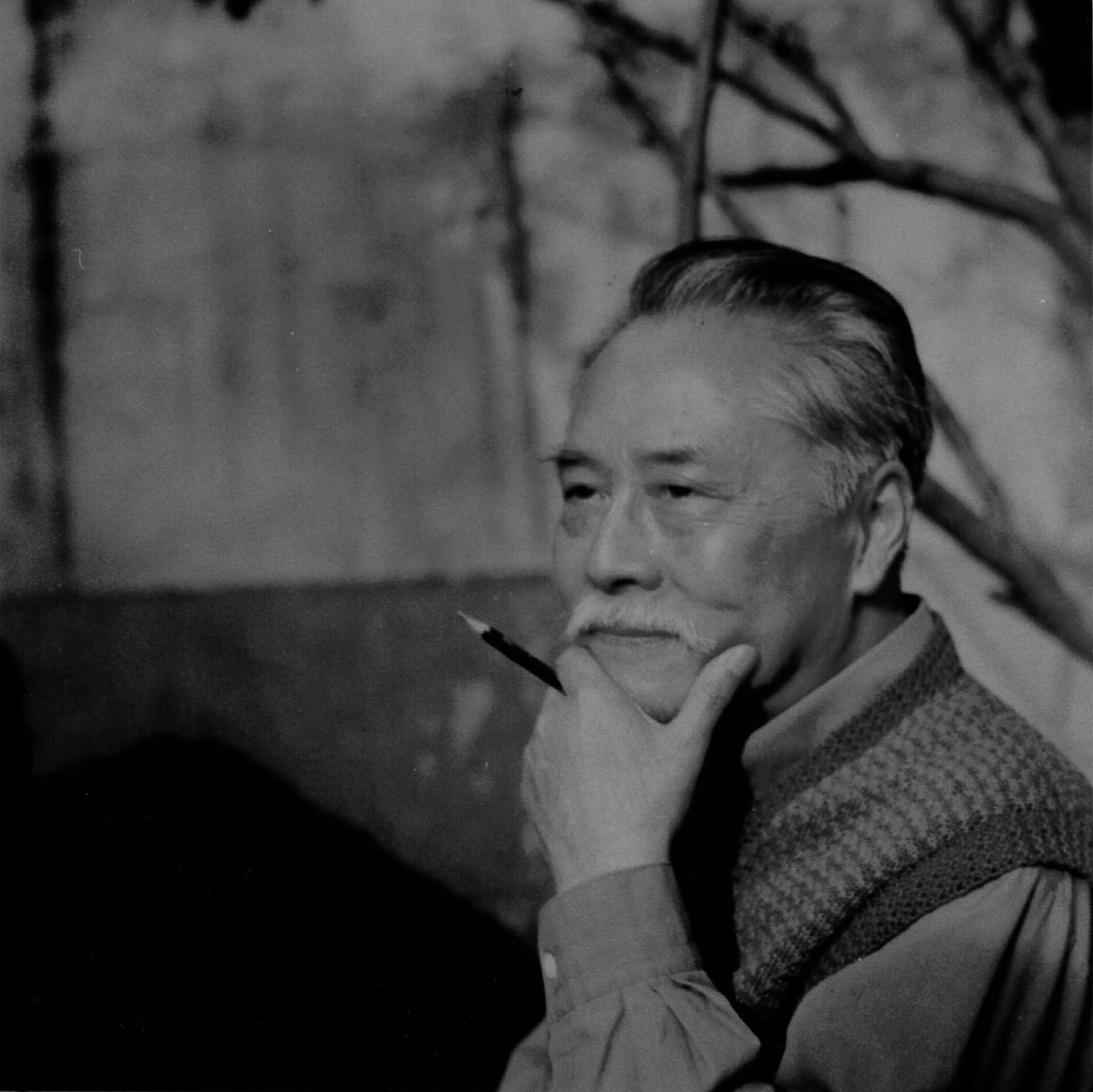
Ye Qianyu
Introduction
Ye Qianyu (1907-1995) was a distinguished Chinese painter and art educator whose influence spanned much of the 20th century. Renowned for his remarkable talents, Ye became a pivotal figure in modern Chinese art, particularly noted for his dynamic depictions of dancers and opera performers. His extensive oeuvre includes traditional Chinese paintings, cartoons, and sketches, which collectively reflect his unique artistic vision and deep understanding of human form and movement. Ye's commitment to capturing the immediacy and vitality of life in his work has left an enduring legacy in both the Chinese art world and beyond. His masterpieces, such as The Liberation of Beiping, are celebrated for their rich depiction of Chinese cultural narratives and historical motifs.
Early Life
Ye Qianyu was born in 1907 in Tonglu county, Zhejiang province. From a young age, Ye exhibited a natural affinity for art, cultivating an interest in painting and folk art during his childhood. Despite lacking formal education in art, he moved to Shanghai later to pursue a livelihood. In Shanghai, Ye worked as an illustrator in shops, designing advertisements, textbooks, and stage settings, which honed his skills and deepened his understanding of artistic expression. His self-taught journey included mastering classic Chinese painting techniques and delving into manhua, a Chinese cartoon style that combined ink painting methods with caricature elements.
Career
Ye Qianyu's career began in the bustling atmosphere of Shanghai, where he started as an illustrator for advertisement agencies. In the 1930s, he co-founded Shanghai Manhua, a weekly magazine dedicated to cartoons, and served as the chief editor of Time Pictorial. During the War of Resistance Against Japanese Aggression (1931-45), Ye joined fellow artists in producing cartoons aimed at encouraging the Chinese populace against invaders. His works during this period highlighted social themes and showcased his commitment to using art as a tool for social commentary.
In 1947, Ye began an illustrious teaching career at the Central Academy of Fine Arts (CAFA) in Beijing, eventually becoming the head of the Chinese painting department in the early 1950s, a position he held until 1983. His tenure at CAFA was marked by an emphasis on fostering a broad artistic knowledge and encouraging openness among students. Ye's influence extended beyond the academy as he served as a vice-chairman of the China Artists Association and contributed significantly to the development of Chinese ink painting.
Artistic Style
Ye Qianyu's artistic style is characterized by its vibrant and dynamic depiction of figures, particularly dancers and opera performers. He skillfully blended traditional Chinese painting techniques with modern influences, often employing sketch-like strokes in his ink-brush paintings. Ye's keen observation of human movement and expression allowed him to capture the fluidity and emotions of his subjects, a quality that rendered his works both vivid and animated. His paintings are celebrated for their precise composition, lively palettes, and the integration of sketching techniques, which provided a modern touch and broader appeal.
Legacy
Ye Qianyu's legacy in the field of Chinese art is profound and enduring. As an influential educator, he nurtured generations of artists, imparting a philosophy of openness and exploration in art. His works continue to be celebrated for their technical excellence and their vivid portrayal of Chinese culture and history. Exhibitions of Ye's work, such as those held at the China National Academy of Painting, continue to draw attention to his contributions to the art world. His ability to capture the essence of human emotion and movement has left an indelible mark on modern Chinese art, making Ye Qianyu a revered figure in the annals of art history.








